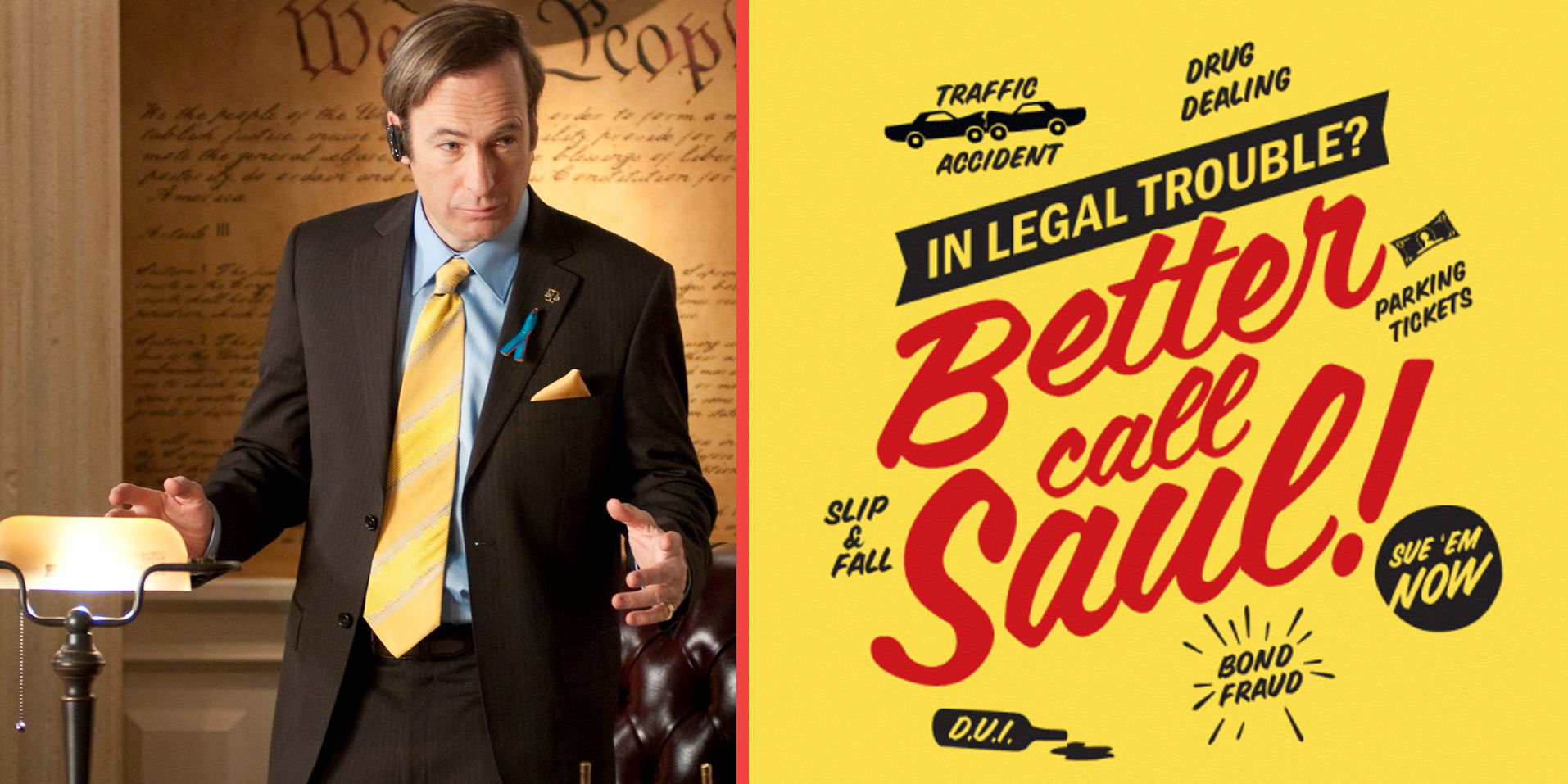
Better Call Saul stands as the rare prequel that rivals — and some argue surpasses — its predecessor. Vince Gilligan and Peter Gould's follow-up to Breaking Bad charts Jimmy McGill's evolution from struggling public defender to the morally flexible Saul Goodman. It's a tragicomic masterpiece about the road to hell and the good intentions that pave it.
Bob Odenkirk transforms what was a comic relief character into one of television's most layered protagonists. Jimmy McGill is a man who wants to be good but can't resist the shortcut, who craves respect but settles for success. His relationship with Kim Wexler (Rhea Seehorn in a career-defining performance) provides the show's emotional core — a love story between two lawyers who bring out both the best and worst in each other.
The parallel story of Mike Ehrmantraut's descent into Gus Fring's criminal empire is equally compelling, expanding the Breaking Bad universe while remaining narratively independent. Jonathan Banks and Giancarlo Esposito deliver performances that deepen characters we thought we already understood.
The show's visual language is extraordinary, with cinematic compositions that elevate legal drama to high art. The cold opens, often dialogue-free sequences of everyday objects, are miniature masterpieces of storytelling. The attention to detail — from the color palettes to the sound design to the period accuracy — is obsessive in the best way.
Better Call Saul is essential viewing for anyone who loves character-driven drama. It's a story about identity, integrity, and the fine line between a lawyer and a criminal.