Review
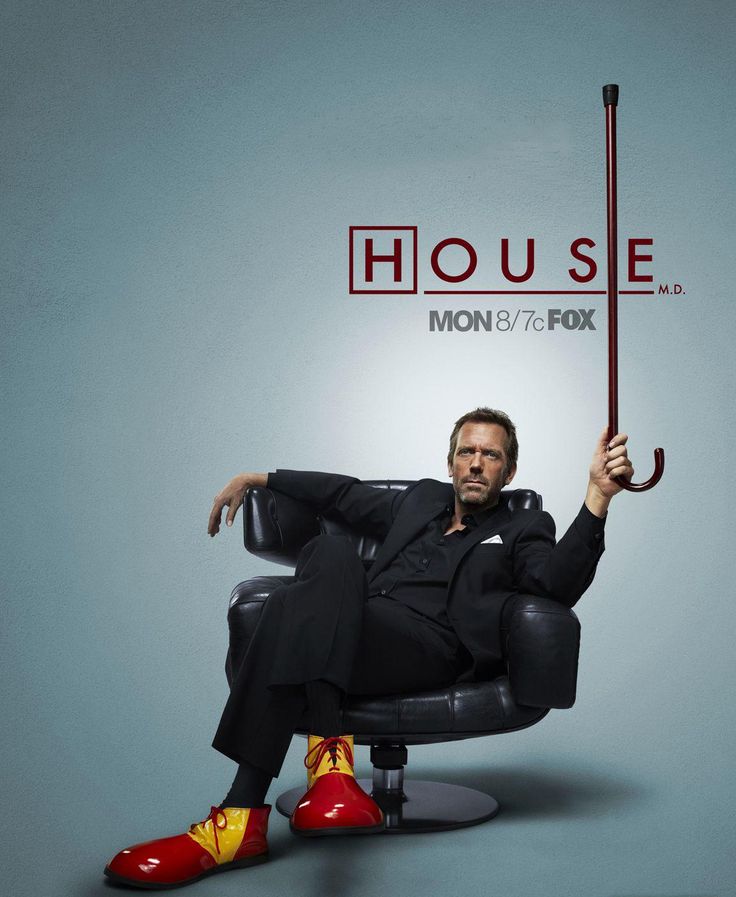
Before streaming antiheroes became the norm, Dr. Gregory House was already showing us how brilliant, bitter, and broken a protagonist could be. House, created by David Shore, is a medical mystery series unlike any other — not because of the medicine, but because of the man at its center.
Hugh Laurie's portrayal of Dr. Gregory House is nothing short of masterful. He plays a diagnostician so brilliant that his department exists solely to solve cases that have stumped every other doctor. But House is also a misanthropic, drug-addicted genius who treats patients with contempt and colleagues with dismissive sarcasm. Laurie makes him insufferable and magnetic in equal measure, creating one of television's most complex characters.
The show's formula could have grown stale, but the writing consistently found fresh angles by tying medical mysteries to character development. Each case reflected something about the team's personal struggles, making the procedural elements feel meaningful rather than mechanical. Beyond the cases, House explored deep questions about truth, suffering, and human connection.
House remains essential viewing for anyone who appreciates character-driven television disguised as a medical drama. It's cynical, sharp, and surprisingly moving — much like its protagonist.
The show's most memorable episodes go beyond medical mysteries. "Three Stories" remains a masterclass in nonlinear storytelling, revealing the origin of House's leg pain. "House's Head" uses an innovative post-accident narrative to explore his psyche. The series finale gives House the ending his character always deserved — a final act of defiance that honors his insufferable brilliant nature. Eight seasons of lupus references, differential diagnoses, and Vicodin addiction made House a cultural phenomenon that still feels fresh.