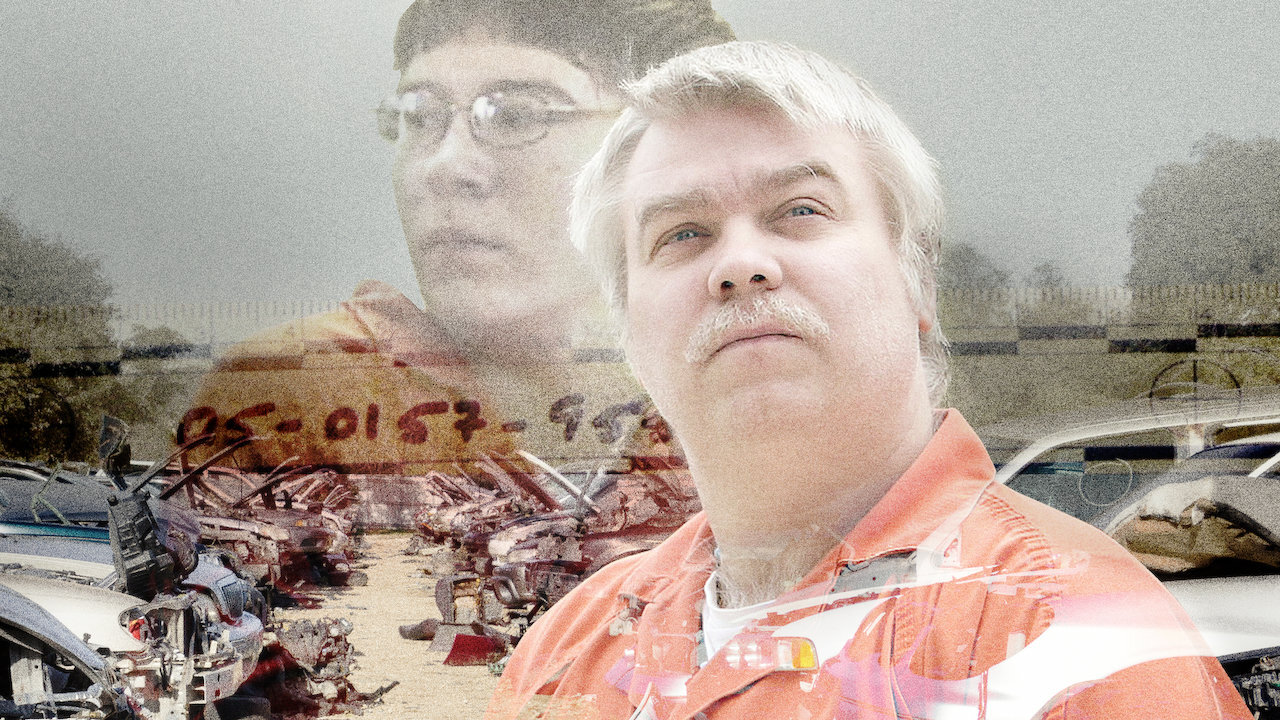
Making a Murderer is the documentary series that defined the modern true crime boom. Filmed over a decade, the series follows Steven Avery, a man who served 18 years for a sexual assault he didn't commit, only to be charged with murder shortly after his release. The series raises devastating questions about the criminal justice system.
The documentary's access is extraordinary. Filmmakers Laura Ricciardi and Moira Demos spent years with Avery's family and legal team, capturing events as they unfolded. The result is a story that feels immediate and unpredictable. The series does not simply argue that Avery is innocent — it presents evidence that suggests the justice system may have framed him to avoid the embarrassment of having imprisoned the wrong man.
The series ignited a global conversation about prosecutorial misconduct, false confessions, and the presumption of innocence. Brendan Dassey, Avery's nephew, whose confession was coerced when he was a teenager with intellectual disabilities, became a figure of particular sympathy. The case became a cause célèbre, with millions of viewers signing petitions demanding justice.
Season 2 follows the post-conviction legal battles, introducing Kathleen Zellner, a high-profile attorney who has overturned wrongful convictions. The legal strategy is fascinating, but the series can feel less dramatic than the first season. The case remains unresolved, with Avery still incarcerated and his guilt or innocence still hotly debated.
Making a Murderer is essential for anyone interested in criminal justice reform. It's a series that changed how millions of people think about the American legal system.